The United Arab Emirates has long been associated with architectural grandeur and high-end shopping. However, a significant shift is occurring in the tourism sector as the focus moves toward deep health and longevity science. The rise of holistic wellness retreats UAE reflects a global demand for more than just a vacation; people are looking for biological optimization. The desert, once seen as a harsh environment, is now being reimagined as a sanctuary for those seeking to reset their physical and mental states through biohacking and traditional healing practices.
The Scientific Shift in Holistic Wellness Retreats UAE
Modern travelers are no longer satisfied with standard spa menus. They are looking for data-driven results. The growth of holistic wellness retreats UAE is largely fueled by the integration of medical science into the retreat experience. According to research on wellness tourism trends, there is a clear move toward evidence-based interventions. Visitors at holistic wellness retreats UAE are now participating in comprehensive blood panels, DNA testing, and metabolic tracking to tailor their desert stays to their specific biological needs. This scientific approach ensures that every minute spent in the silence of the dunes contributes to a measurable improvement in health markers.
Biohacking in the Empty Quarter
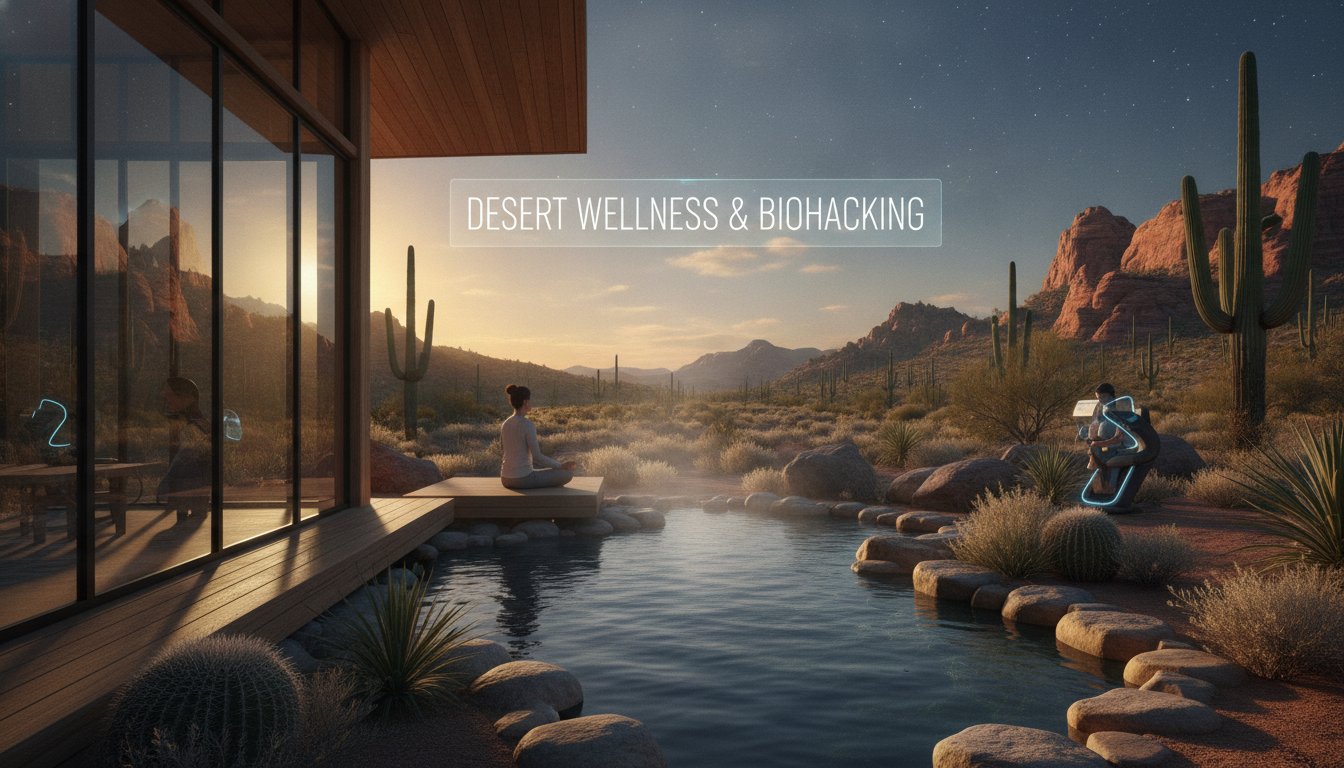
Biohacking involves using small, incremental changes in diet or lifestyle to make big changes in your health and well-being. In the context of the UAE, this often means utilizing the extreme environment to trigger positive biological responses. The standard for holistic wellness retreats UAE involves sophisticated thermal contrast therapy. Imagine moving from a state-of-the-art ice bath into the dry heat of the Rub’ al Khali. This process stimulates the lymphatic system and boosts mitochondrial function. Recent reports in The National highlight how the UAE is positioning itself as a leader in this high-tech health space, moving beyond superficial luxury into the realm of cellular health. From red light therapy sessions at sunset to hyperbaric oxygen chambers in secluded villas, the infrastructure supporting holistic wellness retreats UAE is unmatched globally.
Legal Readiness for Long-Term Wellness Residents
As the benefits of these programs become more apparent, many individuals are extending their stays to complete full transformation cycles. However, relocating or staying for extended periods in the Emirates requires careful planning. While the body heals, the practicalities of life must continue. For international visitors, choosing the right holistic wellness retreats UAE often coincides with a need to manage business or personal assets back in the city or abroad. Securing a Power of Attorney Dubai is a strategic move for many health-conscious expatriates. It ensures that while they are disconnected from the digital world and focused on their recovery, a trusted representative can handle property transactions, legal filings, or corporate decisions. This administrative foresight is a critical component of a truly holistic approach to life in the UAE, allowing for total peace of mind during the rejuvenation process.
Sustainability and the Future of Desert Healing
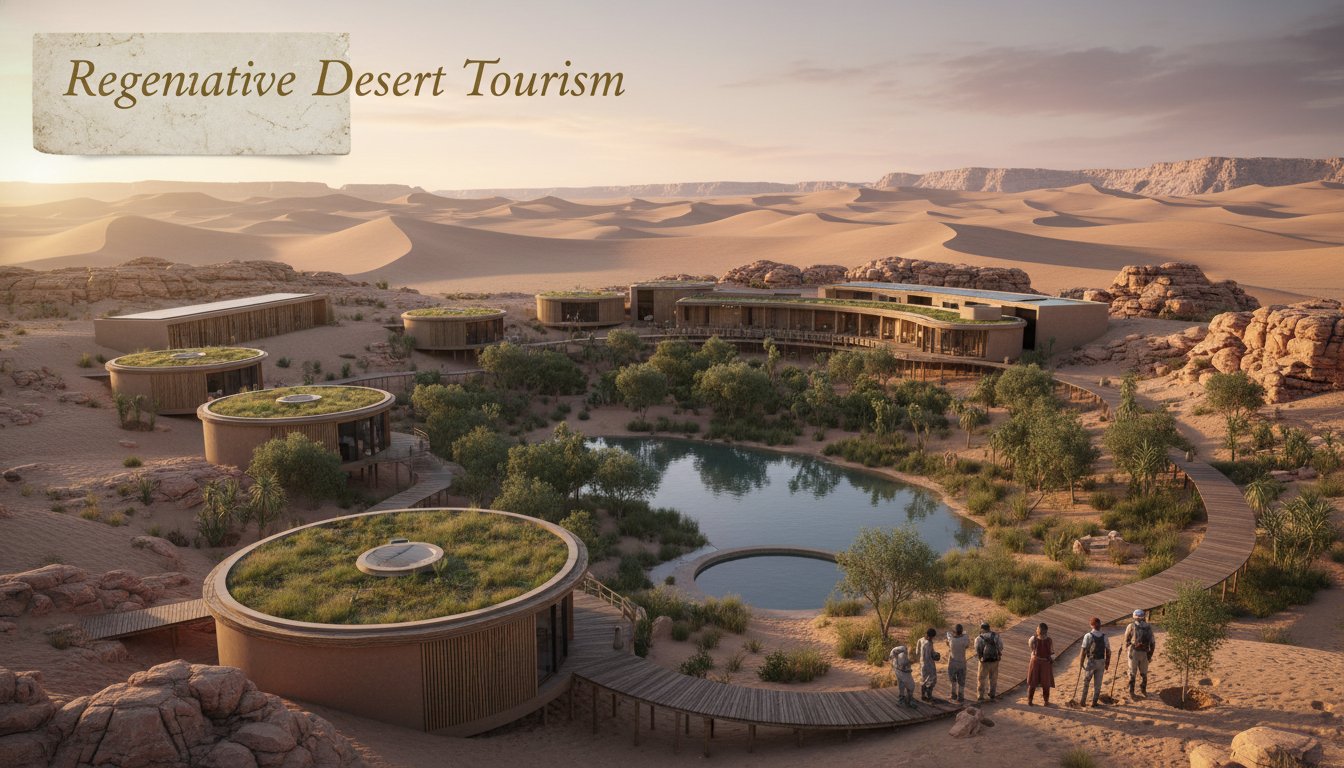
The experts at holistic wellness retreats UAE suggest that the future of the industry lies in the balance between technology and nature. Sustainability is becoming a core pillar of desert-based healing. New facilities are being built with minimal ecological footprints, using solar power to run advanced biohacking equipment. The future of holistic wellness retreats UAE will likely see an even deeper integration of AI-driven health coaching, where wearables provide real-time feedback to retreat staff, allowing for immediate adjustments to nutrition and exercise protocols. This marriage of ancient desert wisdom and futuristic technology ensures that the UAE remains at the forefront of the global wellness movement. Investing time in these retreats is no longer a luxury; it is a necessary disconnect for the modern professional seeking to maintain peak performance in an increasingly demanding world.
For more insights on this topic, visit Visit UAE.